

Our client, Marnie*, had her spleen removed as a child following a car accident. Without a spleen, Marnie was more vulnerable to infection and had been prescribed daily prophylactic antibiotics to reduce her risk of developing serious illnesses such as sepsis or meningitis.
For many years, Marnie took these antibiotics as advised. However, after watching a documentary highlighting potential long-term side effects of antibiotic use, she became concerned and arranged an appointment with her GP to review whether she still needed them.
The GP told Marnie that they would research the issue and later confirmed, after consulting a colleague, that she could stop taking the antibiotics. While that advice was correct, Marnie was not given any safety netting information about what to do if she became unwell. She should have been advised that, because of her increased susceptibility to infection, she needed to seek urgent medical help if she developed symptoms of illness; and potentially carry emergency antibiotics in case she was unable to access hospital care quickly.
This failure to provide proper guidance exposed Marnie to a serious and foreseeable risk of infection.
The consequences
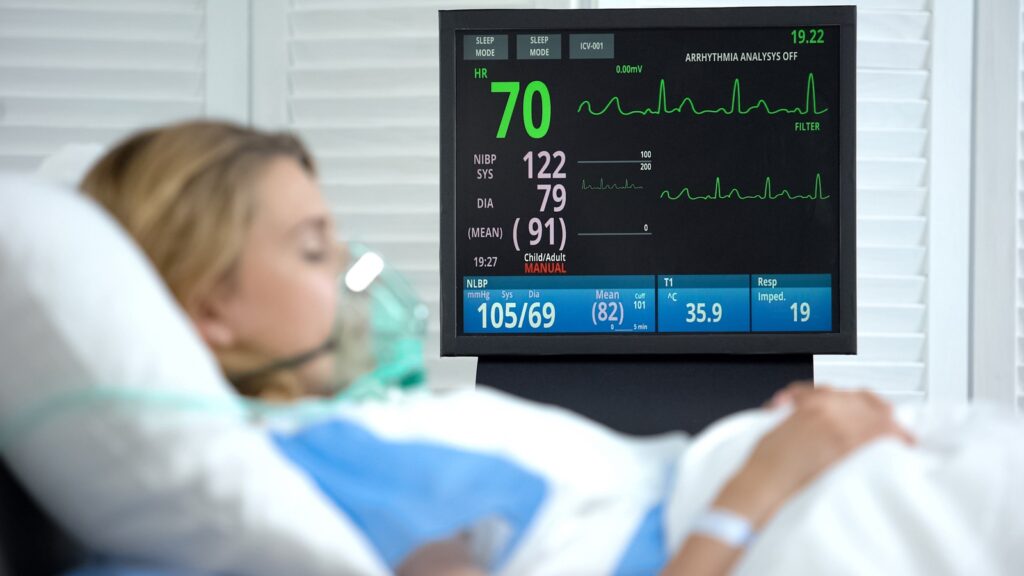
Several years later, Marnie developed what initially seemed to be a mild chest infection. Her condition deteriorated rapidly, and she was eventually admitted to hospital where she was diagnosed with meningococcal septicaemia – the most severe form of meningitis – and pneumonia.
By the time she reached hospital, Marnie was gravely ill and was in a coma. Her family were preparing themselves for the worst. Although she eventually regained consciousness, she initially could not move or communicate and required prolonged care in intensive care and rehabilitation.
Marnie survived, but the impact on her life has been profound. She experienced a mild brain injury, ongoing fatigue, memory and cognitive difficulties, and psychological trauma. She continues to suffer from anxiety, panic attacks, and flashbacks of her time in hospital. Her confidence has been deeply affected; she struggles to go out alone, finds crowds overwhelming, and is unable to drive independently. Her working life has also been limited due to her ongoing symptoms and fatigue.
How we helped Marnie
Marnie approached Enable Law to investigate whether her GP’s failure to provide adequate advice amounted to medical negligence.
Our team identified clear breaches of duty: while it was reasonable to stop her long-term antibiotics, the failure to provide safety netting information or emergency antibiotics left her dangerously unprotected. Had she been given the right advice, Marnie would have known to start antibiotics immediately when she fell ill and would have sought emergency medical attention much sooner, avoiding the severe infection and its lasting effects.
Enable Law has supported Marnie throughout her journey, including arranging updated MRI scans to assess her brain injury. We also identified the need for specialist psychological treatment to help her manage the trauma and anxiety caused by her illness. Through her claim we aim to secure compensation that reflects Marnie’s lost income, the cost of future therapy and medical care, and the support she needs to rebuild her life and regain her independence. While no legal outcome can undo the trauma Marnie experienced, Enable Law remains committed to ensuring Marnie receives the care, support, and financial security she needs to move forward with confidence.
How we can help you
At Enable Law we have a dedicated team of medical negligence solicitors who have extensive experience supporting families affected by delays in recognising and treating serious conditions in babies and children, such as sepsis and meningitis. We understand the life-changing impact that a missed diagnosis or late referral to specialist care can have on a child and their family.
If you or a family member have concerns about the medical care you received, it is important to seek legal advice to understand whether what happened was negligent and whether you may be entitled to compensation to help secure the care, support and adaptations needed for the future.
To have a completely free, confidential and no obligation discussion with Paula Hill or a member of our expert team, call us on 0800 044 8488 or fill in our contact form so we can call you back at a time convenient for you.
*name has been changed