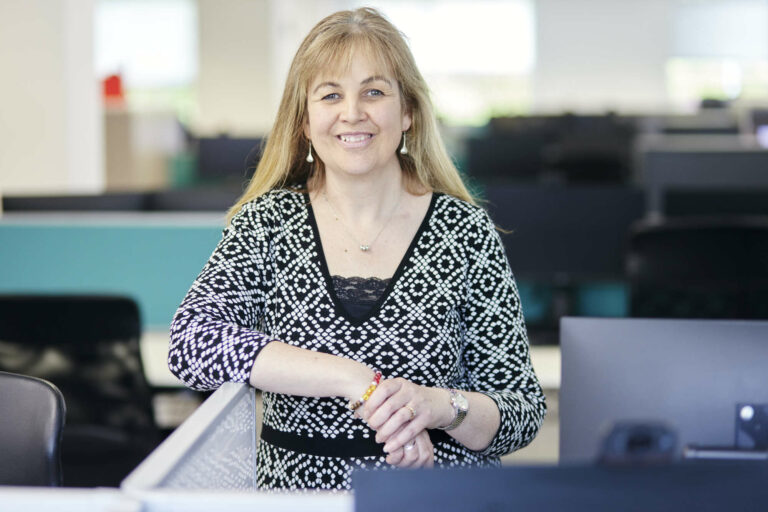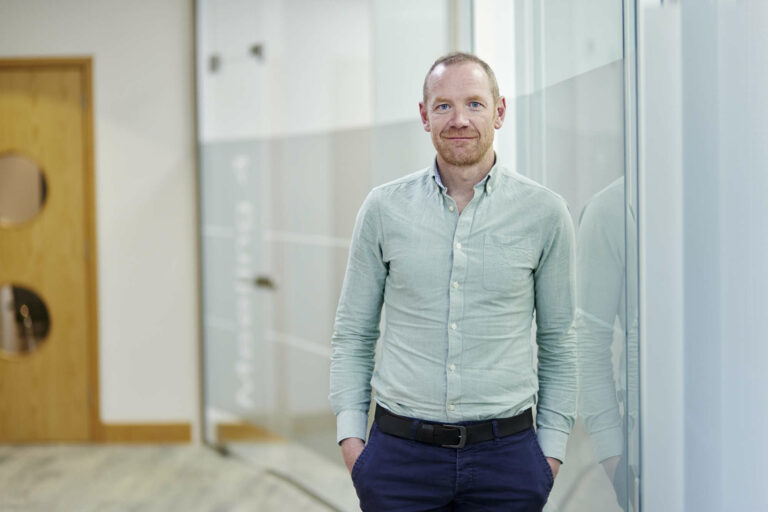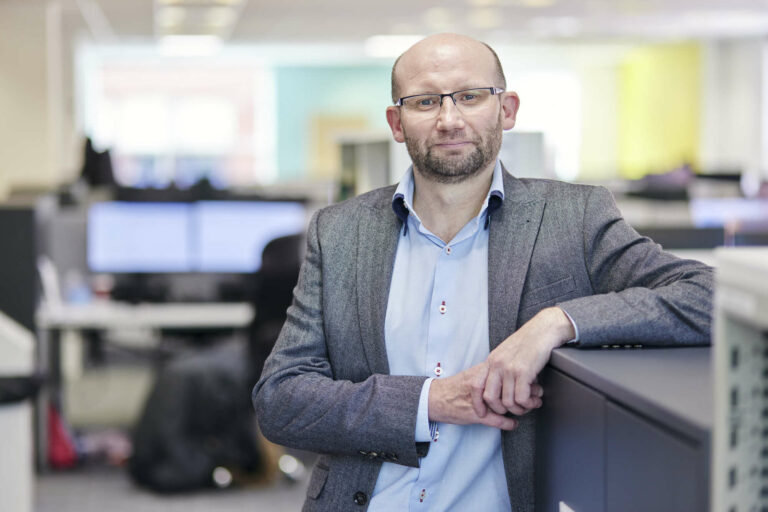

Enable Law partner Mike Bird has praised a Coroner who played a key role in uncovering the crucial errors which contributed to the death of a teenager with a rare blood disorder.
Mike commended the Cheshire Coroner after an inquest into Isaac Arrowsmith’s death at the age of just 19 found that “mistakes” in his care had contributed to his preventable death.
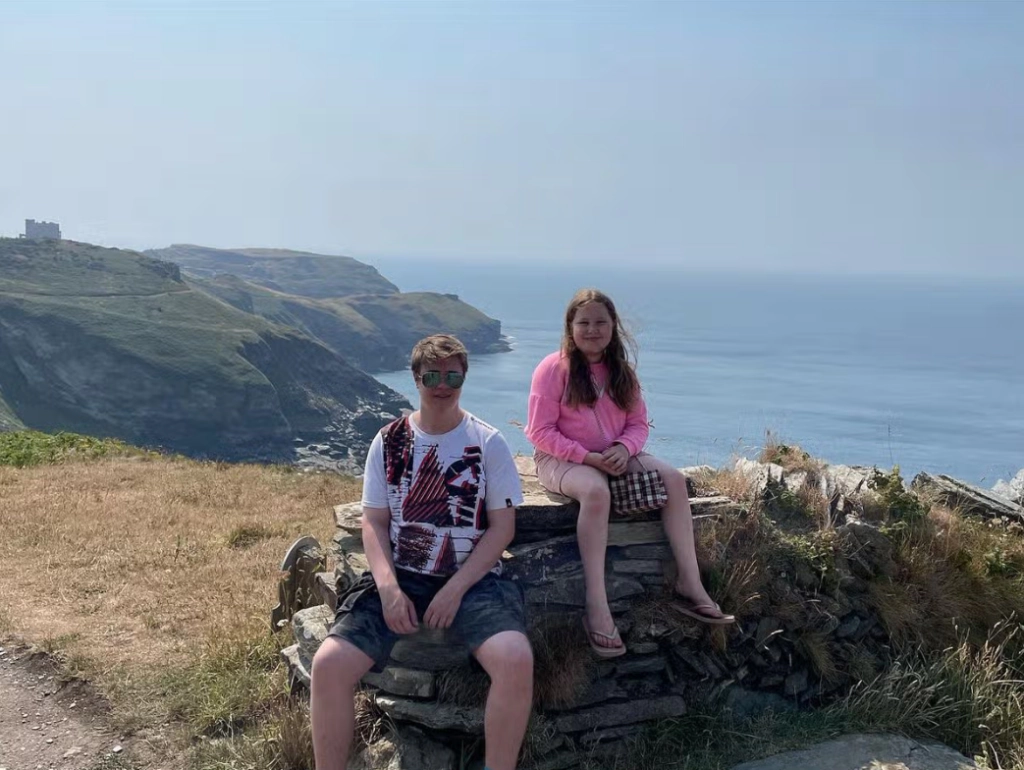
As reported by The Sun and PA Real Life, Neil and Louise Arrowsmith’s son was diagnosed with Haemoglobin Rainier disease, an inherited blood disorder that increases the risk of blood clots, aged 18.
On December 19 2025, aged 19, Isaac developed chest pain and breathlessness and began coughing up blood.
He was diagnosed with pneumonia at Macclesfield District General Hospital and discharged without tests to rule out a pulmonary embolism.
As his condition worsened, Isaac returned to A&E on December 31 but was placed under a respiratory virtual ward – designed to provide hospital-level care at home within 48 hours – rather than being admitted.
He later returned to hospital but Louise, a 52-year-old manager, said after waiting around 20 hours without being seen, Isaac went home believing he would be followed up via the virtual ward.
On January 2, Isaac collapsed at home and died from a pulmonary embolus, deep vein thrombosis and Haemoglobin Rainier disease.
An inquest later found Isaac’s death was preventable, concluding he was never referred to the virtual ward team, should have been admitted to hospital instead and would likely have survived had he been there when his condition deteriorated.
The family, who live in Macclesfield, Cheshire, are now being supported through the legal processes by Mike, who is based at Enable Law’s Truro office.
Mike told PA Real Life: “It is agonising to read Isaac’s story. The Coroner’s Inquest was incredibly important, because without that, the family would have been misled into believing that Isaac’s death was an unavoidable tragedy.
“It was the Coroner who uncovered that key, basic mistakes had occurred in hospital, which had not been identified in the Trust’s own investigation, and were the difference between life and death for Isaac.
“I desperately hope the changes the Trust says it has implemented actually have a lasting impact on the NHS frontline. We will support Isaac’s family with all the investigations and advise them on their legal options. We are in their corner.”
Neil, a 45-year-old tutor, said: “I think Isaac’s death would have been easier to accept if there was nothing anyone could have done.
“Now it’s hard not to get angry – Isaac should still be here with us today and he isn’t because of mistakes in his care.”
An inquest at Cheshire Coroner’s Court concluded in May, following hearings beginning in January.
Louise and Neil expected to hear “nothing more could have been done”, having already received a letter from East Cheshire NHS Trust following its internal investigation saying as much.
But the inquest heard Isaac was not referred to the respiratory virtual ward team and, had he been, he would not have met the criteria and would have been admitted to hospital.
The Coroner added that, had Isaac been admitted to hospital on December 31, he would have been there when he deteriorated on January 2 and would have been successfully resuscitated.
The Coroner concluded that this caused or contributed to his death.
Neil said: “It was a bombshell moment. It was as if they didn’t even really understand what a virtual ward was themselves – or how to follow their own process.”
Isaac’s cause of death was recorded as pulmonary embolus, deep vein thrombosis and Haemoglobin Rainier disease.
The Coroner found insufficient weight had been given to his underlying blood disorder and associated clotting risk, although this could not be said to have caused or contributed to his death.
In the Prevention of Future Deaths report, the Coroner raised concerns that similar deaths could occur unless action is taken.
Neil and Louise said they did not receive a formal apology from the hospital or East Cheshire NHS Trust at the time.
Louise said: “They won’t take any accountability, I’d be concerned for anyone seen by the doctor who didn’t make the referral – in my opinion, they are not fit to practice.”
Louise and Neil have reported the case to the Care Quality Commission.
Doctor John Hunter, Chief Medical Officer at East Cheshire NHS Trust, said: “We would like to offer our sincerest apologies to Isaac’s family and friends, he did not receive the high level of care he should have had from us, and for this we are truly sorry.
“Following the Coroner’s review of the evidence, and the issuing of a Prevention of Future Deaths report after Isaac’s tragic death, we have considered the findings fully and undertaken a detailed review of the areas where we fell short in Isaac’s care.
“As a result, we’ve strengthened our educational programme within the Trust to support clinicians in recognising how and why a misdiagnosis may happen.”
To donate to the family’s fundraising campaign for the Scouts, visit: justgiving.com/crowdfunding/isaac-arrowsmith-legacylivesonforever-3rdmaccscouts.