
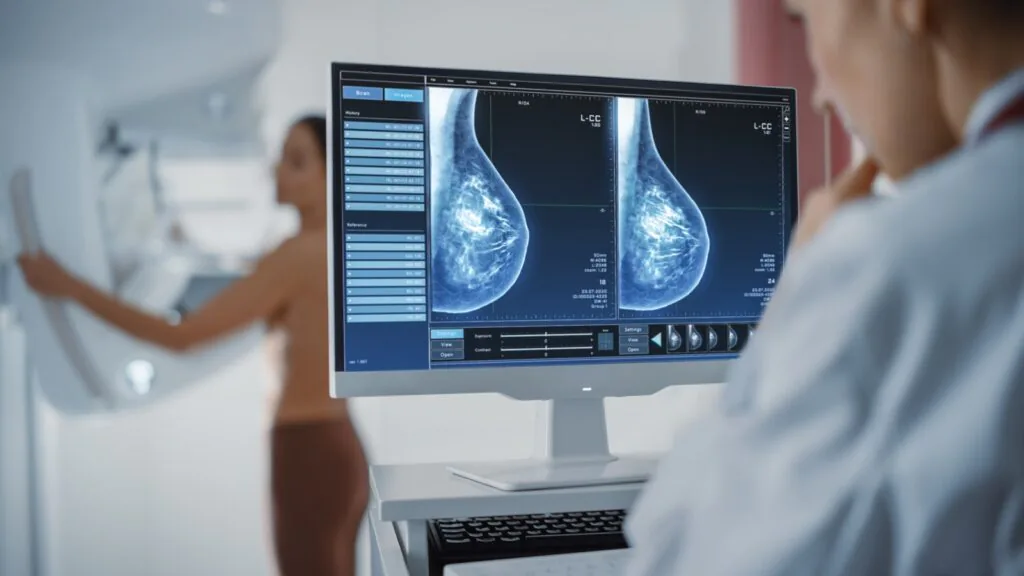

August is recognised as National Breastfeeding Month, and this year, World Breast Cancer Research Day falls on 18 August. These awareness campaigns provide an important opportunity to discuss breast health and, in this article, we also discuss key clinical negligence risks that arise when breast conditions are not properly investigated.
Breast feeding care: what can go wrong?
Breastfeeding and postpartum hormonal changes can result in significant breast changes. One key clinical negligence risk in those who are breastfeeding is symptoms being incorrectly attributed to common breastfeeding issues to the exclusion of a potentially more sinister cause.
Conditions such as mastitis and breast abscesses can cause the following symptoms: –
- Breast and armpit pain
- Lumps or areas of thickening
- Discharge
- Skin changes (‘orange peel’ appearance, redness, discolouration, rashes, swelling)
- Nipple inversion
- Burning sensation/heat
- Changes in size or shape
Many of these symptoms overlap with those associated with breast cancer. Whilst most breastfeeding-related breast symptoms are caused by benign conditions, healthcare professions should remain alert to symptoms that persist and fail to respond to treatment.
Appropriate examinations, investigations and follow-up are essential when symptoms remain unexplained.
Breast cancer and the importance of early diagnosis
Breast Cancer is the most common cancer in the UK and will affect around 1 in 7 women. An early diagnosis can substantially improve a patient’s outcome. Not only is there a significant increase in survival rates, but early diagnosis also provides an opportunity to reduce the risk of cancer spreading and allows for less invasive or harsh treatments.
The first step towards diagnosis normally involves a physical check of a patient’s breasts and nearby lymph nodes for any obvious lumps or changes in appearance.
If there are any suspicions of abnormality, a mammogram and/or ultrasound is usually recommended to identify any lumps. A breast MRI may be taken to obtain detailed images of the breast tissue, and finally, a biopsy may be required to sample and test a lump to establish whether it is cancerous or a benign condition such as a cyst.
Breast cancer is treated using various methods depending upon the extent of the condition. Options can include hormone therapy, radiotherapy, chemotherapy and surgery, for example a lumpectomy or mastectomy. Delays in diagnosis can result in treatment options becoming more limited as later stage cancer requires more vigorous treatment methods.
Clinical negligence risks with breast cancer
Some examples of typical clinical negligence risks that we see in breast cancer cases include: –
- Failures to investigate a lump or other associated symptoms (described above)
- Attributing symptoms to breastfeeding or mastitis without further assessment
- Misinterpretation of scan results, particularly mammograms or ultrasounds
- Delays in referral under urgent cancer treatment pathways
- Failures to act on abnormal test results
- Delays in commencing treatment after diagnosis
It is important to understand the symptoms of breast conditions and undertake regular checks for any changes in appearance or pain. If you or someone you know experiences any of the symptoms described in this article, we would recommend speaking with your GP.
For those who are breastfeeding, some additional symptoms to look out for are fever and chills (which may indicate mastitis) and persistence of lumps which do not seem to improve. If there is any uncertainty, it is important to have the symptoms checked as it could make a crucial difference in treatment options and long-term prognosis.
If you have any concerns relating to a delayed diagnosis or treatment of breast cancer, please do not hesitate to contact our specialist, Laura Wallace who will be happy to discuss any concerns.