
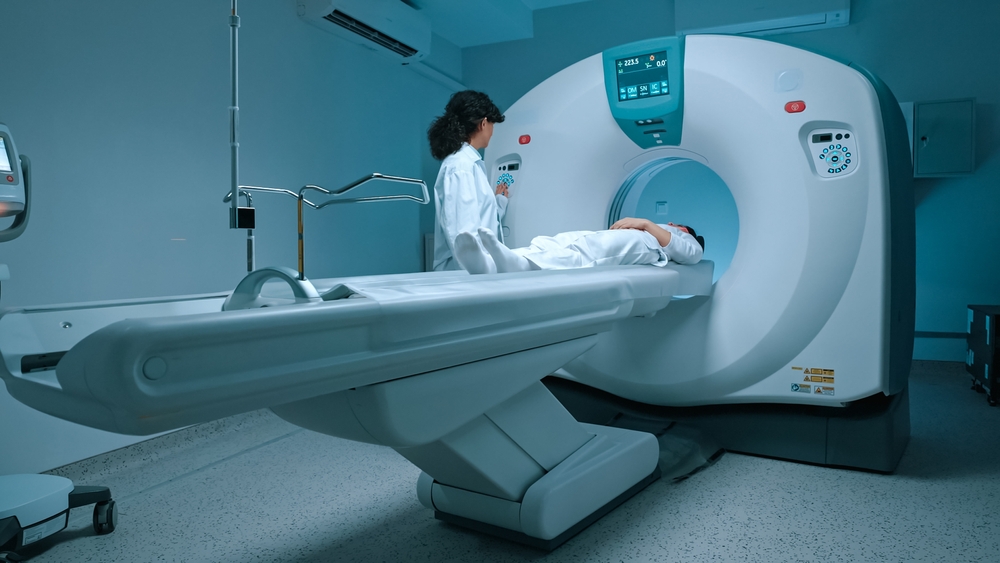

A recurring feature of many cases involving a delay in diagnosis of lung cancer is the failure to follow up abnormalities identified during investigations carried out for another condition.
Many patients do not experience obvious symptoms in the early stages of the disease. As a result, abnormalities identified on scans or X-rays requested for unrelated reasons can provide an important opportunity to investigate further. When those findings are not acted upon, an opportunity to diagnose and treat lung cancer at an earlier stage may be missed.
We have acted for several clients where chest X-rays requested in A&E identified signs that were later found to be consistent with lung cancer. However, those findings were not recognised or acted upon at the time. Patients were discharged and only received a diagnosis months, or even years, later after developing symptoms. By that point, the disease had progressed and the treatment options available were often more limited than they would have been had further investigations been arranged sooner.
In one case, a patient was receiving treatment for a heart condition when a chest X-ray identified abnormalities in the lung. The radiologist reviewing the scan recommended an onward referral for further investigation. However, that recommendation was not acted upon and the patient was discharged following completion of their cardiac treatment.
Six months later, the patient developed a debilitating autoimmune condition that is known to be associated with underlying and untreated lung cancer. Lung cancer was eventually diagnosed several months later and treatment began. However, because the autoimmune condition had developed before the cancer was identified and treated, the patient was no longer eligible for the latest and most effective immunotherapy treatment.
Cases such as these highlight the importance of ensuring that abnormal findings are appropriately reviewed and followed up, even where they fall outside the immediate reason why a patient is receiving treatment.
Healthcare professionals work in extremely busy environments and are often focused on highly specialised areas of medicine. Patients may also be under the care of multiple teams at different stages of their treatment. However, there remains a duty to consider the patient as a whole and to ensure that clinically significant findings are properly reviewed and acted upon.
Where investigations identify abnormalities that require further assessment, there should be clear arrangements for follow-up, whether by the same team or through referral to another specialist service. Taking this approach can help ensure that serious conditions such as lung cancer are identified and treated sooner, often reducing the need for more invasive treatment and improving a patient’s long-term prognosis.
As with so many aspects of healthcare, effective communication between teams is key.
How our team can help
Enable Law’s specialist medical negligence team supports people and families affected by delayed and missed diagnoses of lung cancer. We understand the significant impact that delays can have, particularly where a person’s prognosis has worsened or treatment options have been reduced as a result.
Our team has extensive experience investigating whether opportunities to diagnose cancer earlier were missed and helping clients understand what happened, whether the care they received met the expected standard and what support may be available to them.
If you or a loved one has been affected by a delayed or missed diagnosis of lung cancer, contact our specialist team for a confidential discussion about how we may be able to help.