Understanding strokes
A stroke compensation claim is a type of medical negligence claim. It arises when a healthcare professional fails to diagnose or treat a stroke within a reasonable timeframe, and that failure causes avoidable harm.
- slow response to a 999 call
- missed or misdiagnosis of a blood clot
- mismanagement of atrial fibrillation (an irregular heartbeat)
- Incorrect treatment of high blood pressure/hypertension leading to hemorrhagic stroke/cerebral haemorrhage/intracranial haemorrhage
- misdiagnosis or mistreatment of a brain aneurysm
- failures to properly monitor patients who are at risk of a stroke
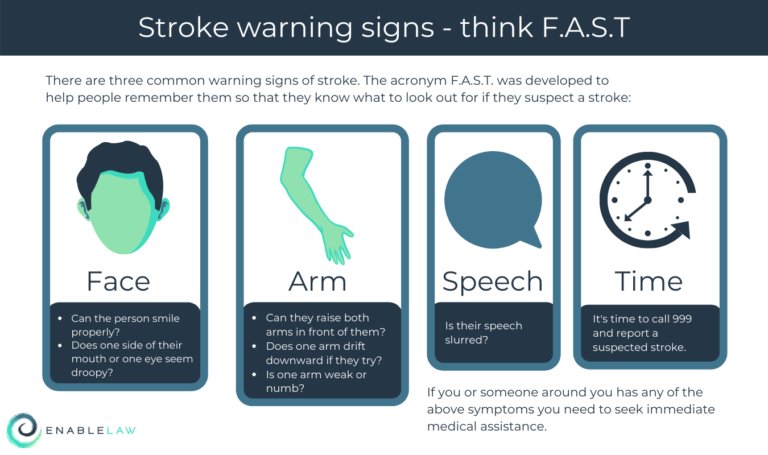
- failures to recognise the signs of a stroke/delays in treatment of a stroke
- failures to spot or properly manage a transient ischaemic attack (TIA or mini stroke)
- misdiagnosis of stroke.
- inappropriate aftercare following a stroke, leading to additional harm
A misdiagnosed stroke occurs when stroke symptoms are wrongly attributed to another condition. Stroke misdiagnosis claims are among the most common causes of stroke compensation claims in the UK.
- Common stroke misdiagnosis scenarios include:
- Stroke misdiagnosed as migraine
- Stroke misdiagnosed as vertigo
- Stroke misdiagnosed as anxiety or panic attack
- Stroke misdiagnosed as infection or dehydration
- Failure to diagnose posterior circulation stroke
- Failure to diagnose a TIA or mini-stroke
A misdiagnosed stroke can delay life-saving treatment such as thrombolysis or thrombectomy. This delay often leads to more severe brain injury, long-term disability, or death.