Surgical Negligence

Surgical negligence compensation claims

If you’ve been injured by a mistake made before, during or after surgery, you may be able to claim compensation.

We understand that no amount of money can change what has happened to you or undo the consequences of surgical negligence. However, a compensation claim can help alleviate some of the financial pressures you may have found yourself under as the result of your injuries.

Get in touch today

Request a call back

OR CALL US ON

0800 044 8488

Understanding surgical negligence

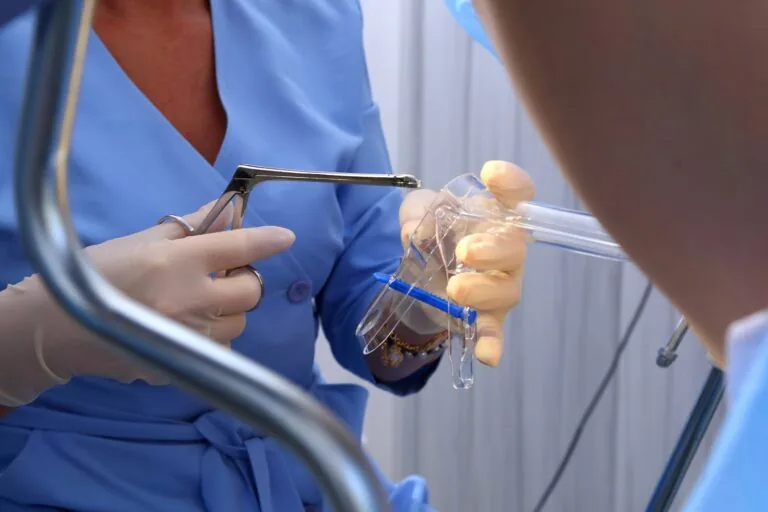
Surgical negligence is not simply a poor outcome after an operation. It is when the standard of care during surgery, anaesthesia, or post operative management falls below what a reasonably competent clinician would have done, and that failure causes avoidable harm. 

This can include mistakes in planning, mistakes in the operation itself, and failures in monitoring and follow up. If you were not warned about a material risk, or the wrong procedure was carried out, it may also raise issues around consent and decision making. The key is whether the harm was avoidable and linked to substandard care, not whether the surgery was complex or the recovery was difficult.

Common surgical errors we see in claims

  • Wrong site or wrong procedure surgery
  • Retained instruments or swabs
  • Avoidable damage to nearby organs, nerves, or blood vessels
  • Infections linked to poor surgical technique or post operative care
  • Missed complications after discharge, including delayed escalation
  • Anaesthetic errors, medication errors, and allergic reactions not managed properly
  • Poor communication between teams, leading to delays or missed risks


What should you do if you suspect negligent surgery?

Write down a timeline while it is fresh, dates of appointments, names of hospitals, and what you were told. Ask for copies of your records, operation notes, discharge summary, and any imaging reports. If symptoms are worsening, seek urgent medical advice, especially for infection signs, severe pain, neurological symptoms, or breathlessness.
    We’re here to help. You can call us on 0800 0448488 or email or request a call back

    Your rights and eligibility

    If you have concerns about your surgery, or the care you received around surgery, you are entitled to find out more about the care you were given.  A solicitor will be able to help you with this and we can help you make a valid compensation claim.

    Cases where compensation may be due include:

    • when an operation failed and it should not have done if carried out by a reasonably qualified person
    • where anaesthetic caused harm or an allergic reaction that could have been avoided or appropriate steps were not taken when that happened
    • where a loved one died during an operation and should not have done
    • cases where you were not warned of the risks of an operation
    • the wrong operation was carried out

    Secondary damage was caused (such as a cut to another organ) and it was not a reasonable risk of the procedure.

    How can compensation help you?

    Compensation cannot undo what has happened, but it can ease the practical and financial pressure that often follows a surgical mistake. It is designed to help you move forward with the right support in place, and to reduce the long-term impact on your health, independence and quality of life.

    Depending on your situation, compensation may help to cover:

    • Further treatment and ongoing care such as private consultations, surgery, medication, therapy and rehabilitation
    • Support at home including help with personal care, childcare, cleaning or day-to-day tasks while you recover
    • Adaptations and equipment such as mobility aids, specialist equipment, home changes or transport needs
    • Loss of earnings and future income if your injury has affected your ability to work now or in the long term
    • Pain, suffering and loss of enjoyment of life reflecting the physical and emotional impact you have been through

    A claim can also provide answers. Many clients want an explanation of what went wrong, reassurance that lessons have been learned, and accountability for the negligence that caused harm. For some people, that brings a sense of closure, both for them and for their loved ones.

    Trusted expertise

    As expert solicitors focusing on serious injury, medical negligence, mental capacity and education, you can trust us to get the best results for you.

    We know how hard it is to deal with the harm you or a loved one has suffered. We’ll support you with empathy every step of the way.

    We can help you on a no win no fee basis, meaning you don’t need to worry about funding legal costs

    Our support doesn’t end after a claim. We can help you with your financial affairs after settlement and introduce you to charities and organisations that might be able to help you going forward.

    Choosing a surgical negligence lawyer

    Surgical negligence claims can be complex. Medical records can be extensive, the timeline may be unclear, and expert evidence is often required to prove what happened and what should have happened. That is why choosing a solicitor who regularly handles surgical negligence cases can make a real difference.

    At Enable Law, our team has experience across a wide range of claims involving surgical mistakes. We will take the time to listen, understand what you have been through, and explain the process in plain English. We will also give you an honest view on whether you may have a valid claim, and what your options are from here.

    If you would like to talk things through, please contact us for a free, confidential discussion with a member of our dedicated surgical negligence team. There is no obligation, and you can benefit from our experience from the very first conversation.

    Client stories

    Our partners

    Expert help with a surgery claim

    Speak to an expert today for a free, confidential chat about how we can help you.

    Surgical negligence FAQs

    We understand the desire to know how much your claim could be worth to help you decide whether to pursue a claim. Unfortunately, it’s not easy to answer because there is no set amount of compensation for surgical negligence; how much compensation you are awarded depends upon the severity of injuries you sustained and the financial consequences of that and is always unique to the individual. We can give you an idea of the value of your claim when we speak to you.

    In most medical negligence cases you have three years to make a claim for compensation. The three year period starts running from the date the negligence happened or from the date you found out/had good reason to suspect that the treatment you received may have been negligent.

    However, if you are worried that you are out of time for bringing a claim, do not let that stop you from calling us. The rules regarding the time for bringing a claim are quite complex and we may still be able to help you even if the surgical error happened significantly more than 3 years ago.

    There are some other rules regarding time limits:

    • For children this three year period doesn’t start to run until they turn 18 and then runs from their 18th birthday.
    • If someone dies as a result of surgical negligence, the three year time limit starts from the date they passed away.
    • There are even some circumstances where the time limits do not apply at all.

    Therefore, whilst there are some rules on this, it is always worth speaking to us about your claim, no matter when it happened.

    The short answer is probably not, the legal test is that you must have suffered an act of negligence that caused you to suffer harm to be able to bring a successful claim.  If you are not happy with the outcome of your surgery but there was no harm caused to you there are other ways for you to express your dissatisfaction, including speaking with your treating doctor  directly, making contact with your hospital’s PALS team or making a complaint to the CQC or Healthwatch.

    A member of our team will be happy to explore whether the care you received was negligent and if not, guide you on alternative options for making a complaint.

    Yes, psychological injury is just as valid as physical injury, however, as with any injury, the psychological harm needs to be caused by a negligent act.  If your surgical experience was potentially negligent and has caused you psychological trauma ycontact us direct to have a discussion about what happened so we can explore ways we can help you.

    No.  Medical negligence is just a general term for negligent medical treatment, surgical negligence is specific to negligence at or around the time of surgery, but there is no difference in terms of the legal test to pursue a claim.  However, you may want to ensure you have a solicitor representing you who has the necessary expertise to manage your claim and so someone who has experience of surgical negligence claims is going to be best placed to help you bring a successful claim.

    Yes. Consent to treatment does not mean that you are consenting to things going wrong if what has happened could have been avoided with adequate surgical care. Unfortunately, with all medical treatment things can go wrong and it is not always as a result of negligence, so whether you have a claim will be looked at on the facts, considering whether the doctor treating you failed in their duty of care and whether they acted with appropriate care and skill expected of someone in their profession. Speak to one of our specialists and we can help talk you through this.

    A relative or loved one can bring a claim on behalf of a child or person lacking capacity to do so themselves.

    If a loved one has died after failures in their care it is possible for certain relatives, such as the parent of a child or spouse of an adult, to claim compensation. Relatives often want an explanation or apology for what happened and compensation may be awarded to help offset the financial hardship caused by a loved one’s illness and death where medical negligence was a factor.

    In addition, if you are too unwell to contact a solicitor yourself, or if you feel you need help bringing a claim for whatever reason, you may be able to nominate a family member help you with your claim, please speak to us if this is of concern to you and we can talk you through your options.

    Timescales vary. Straightforward cases may resolve sooner, but complex surgical claims often require expert evidence and can take longer, especially where long term prognosis and care needs must be assessed.

    Yes. The route is different in terms of who is pursued, but the core question is still whether care fell below an acceptable standard and caused avoidable harm.

    Signing a form does not automatically mean consent was properly obtained. If key risks were not explained in a meaningful way, or alternatives were not discussed when they should have been, that can still be relevant.

    Yes. Delayed diagnosis of complications, failure to monitor, and poor discharge advice can all form part of a surgical negligence claim.

    It can include treatment, rehabilitation, care and support, adaptations, equipment, and loss of earnings, alongside compensation for pain and suffering.

    Request a Call Back

    If you would like us to call you back to discuss a potential claim, please complete the form below and a member of the team will call you at a time convenient to you. We are in your corner and ready to help. Alternatively, you can contact us by email.

    Callback Form
    Your Name
    Your Name
    First Name
    Last name

    Please note we will call back to help during office hours which are Monday to Friday 9am until 5pm