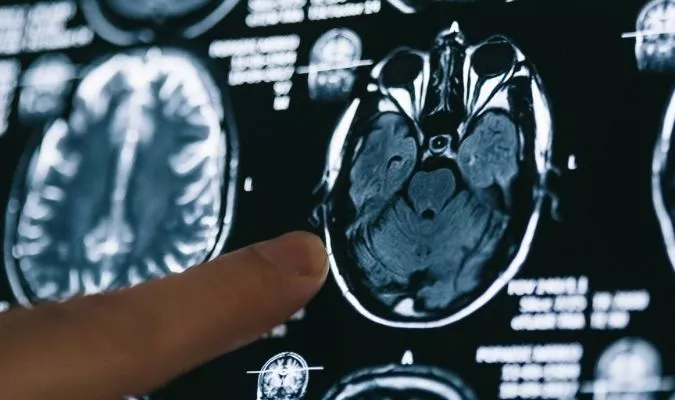
A brain injury refers to any harm that alters how the brain functions, arising from diverse causes such as traumatic impacts to the head (traumatic brain injury), deprivation of oxygen (hypoxic brain injury), or medical conditions and infections that occur after birth (acquired brain injury). Traumatic brain injury is caused by external force or impact, while acquired brain injury includes both traumatic and non-traumatic causes. Hypoxic brain injury is specifically caused by oxygen deprivation to the brain, which can result from incidents such as drowning or medical complications.
These injuries span a spectrum, ranging from mild cases such as concussions, where mild traumatic brain injuries may present with mild symptoms and a loss of consciousness lasting 30 minutes or less, to moderate injuries with a Glasgow Coma Scale score of 9 to 12 and significant cognitive impairments, and severe brain injury or severe brain damage, which can result in a loss of consciousness of more than 6 hours and a Glasgow Coma Scale score of 3 to 8.
Severe brain damage often leads to substantial disabilities, loss of independence, and a profound impact on a person’s life, requiring lifelong care and support. Diffuse axonal injury is one of the most serious types of brain injury, often resulting in extensive and lasting effects.
Many individuals with brain injuries experience challenges such as troubles with memory, confusion, or difficulty processing information. Changes in personality, mood swings, and alterations in behaviour may emerge, making interactions and daily routines unpredictable, and in some cases may overlap with or be complicated by mental health failings in care. Physical struggles are common as well, including issues with movement, speech, or comprehension, while senses such as vision and hearing can also be impaired. Every case is unique, but the shared feature is that a brain injury has far-reaching effects across a person’s cognitive, emotional, and physical life.
A brain injury can occur in various ways, though some examples that could involve a brain injury claim include:
- a car crash, motorcycle accident or other road traffic incident
- accident at work including poisoning
- a violent attack
- sports injury
- an incident involving an animal
- poor care during birth or pregnancy
- poor care of a stroke, medical negligence, medical misdiagnosis, or surgical negligence that leads to long term brain injury.