Understanding sepsis
Sepsis (sometimes referred to as septicaemia or blood poisoning) is a severe reaction to infection where the immune system overreacts and begins to damage the body’s own tissues and organs. Sepsis can progress to septic shock, organ failure, and, in some cases, death.
Early recognition and urgent treatment matters. When sepsis is not identified and treated quickly enough, the consequences can be devastating, including amputation, brain injury, long-term disability, and ongoing psychological effects.
Many people experience lasting symptoms after sepsis, often called post-sepsis syndrome, which can include fatigue, weakness, cognitive changes, sleep problems, anxiety, and depression.
When sepsis care may be negligent
Not every sepsis outcome is avoidable, but sepsis negligence may be suspected where there were missed opportunities to diagnose or treat sepsis earlier, or where treatment was not managed appropriately. Common issues include:
Missed or delayed diagnosis
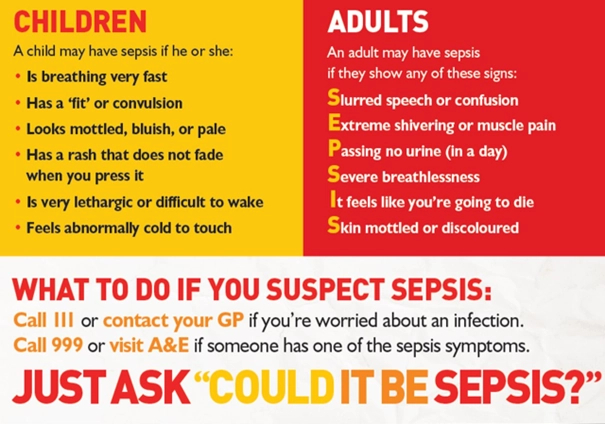
Sepsis can be mistaken for flu, a stomach bug, a chest infection, or other common illnesses. A sepsis misdiagnosis claim may arise where a clinician fails to recognise red flags and does not escalate care.
Delays in assessment, escalation, or treatment
Delays can happen in GP settings, A&E, wards, care homes, or after discharge. This may include delays in triage, delays in senior review, delays in antibiotics, or delays in transfer to higher-level care.
Failure to carry out appropriate tests, or act on results
This can include failures to arrange blood tests, cultures, observations, or repeat assessments, or misreading results and not treating deterioration as urgent.
Medication and treatment errors
Examples can include incorrect antibiotic choice, incorrect dosing, delays in administration, or failures in monitoring response to treatment.
Sepsis linked to procedures or infection control failures
Sepsis can sometimes develop after surgery, an invasive procedure, or a hospital-acquired infection. If the infection was preventable, or warning signs were missed, a negligence claim may be possible.
The impact of sepsis, why claims are often complex
Sepsis does not always end when you leave hospital. Some people recover well, others need ongoing rehabilitation, care, or support to manage long-term effects. In more severe cases, sepsis can result in:
- Organ damage or organ failure
- Amputations or reduced mobility
- Chronic pain and fatigue
- Cognitive changes, memory problems, or brain injury
- Mental health difficulties including anxiety, depression, PTSD
- Inability to return to work, or reduced earning capacity
- Increased care needs and loss of independence